
Skip to content
Saving recent analysis
mousse à raser
avène3282779024549

mousse à raser

Greenveil's read: consider avoiding. Cosmetic safety critical.

Cosmetic safety
Critical

17 of 18 ingredients recognised

Chemical concern
Not assessed

Advisory

  • Contains fragrance: Fragrance

Fragrance does not change the rating; it matters if your skin reacts to fragrance.

Why it's rated this way

5 ingredients on this label are flagged. A cosmetic's rating is set by its most serious finding — here, Zinc Pyrithione.

  1. Zinc PyrithioneCritical concernEU CosIng Annex II
    What it is
    Its recorded role: preservative and anti-seborrheic. About Zinc Pyrithione
    Why it's flagged
    EU CosIng Annex II
    Regulatory basis
    EU Cosmetics Regulation, Annex II — substances prohibited in cosmetics.
    How sure we are
    High confidence. The label names this substance exactly.
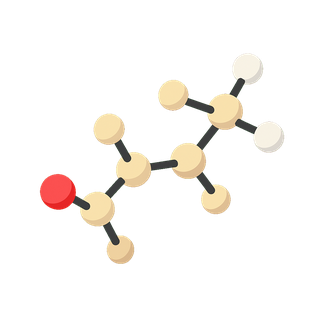
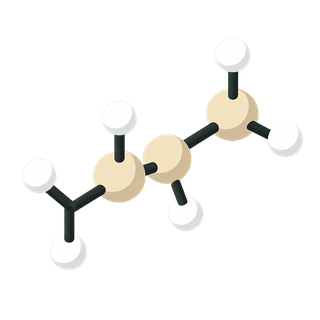
  2. PropaneMinor concernAerosol propellant. The EU prohibits propane only when it contains 0.1 % or more of 1,3-butadiene, a carcinogen; cosmetic-grade propellant is purified below that level.
    What it is
    Its recorded role: propellant. About Propane
    Why it's flagged
    Aerosol propellant. The EU prohibits propane only when it contains 0.1 % or more of 1,3-butadiene, a carcinogen; cosmetic-grade propellant is purified below that level.
    Regulatory basis
    Greenveil's curated cosmetic-ingredient concern list. The listing applies only under conditions a label can't show (product type, concentration or use).
    How sure we are
    High confidence. The label names this substance exactly; whether the conditions apply depends on the product's formula.
  3. ButaneMinor concernAerosol propellant. The EU prohibits butane only when it contains 0.1 % or more of 1,3-butadiene, a carcinogen; cosmetic-grade propellant is purified below that level.
    What it is
    Its recorded role: propellant. About Butane
    Why it's flagged
    Aerosol propellant. The EU prohibits butane only when it contains 0.1 % or more of 1,3-butadiene, a carcinogen; cosmetic-grade propellant is purified below that level.
    Regulatory basis
    EU Cosmetics Regulation, Annex II — substances prohibited in cosmetics; EU classification as carcinogenic, mutagenic or toxic to reproduction; Greenveil's curated cosmetic-ingredient concern list. The listing applies only under conditions a label can't show (product type, concentration or use).
    How sure we are
    High confidence. The label names this substance exactly; whether the conditions apply depends on the product's formula.
  4. Potassium HydroxideMinor concernAlkali (lye). It is used up in the product: as a pH adjuster it neutralises an acid in the formula, and in soft or liquid soap it turns the oils into soap. The EU caps the alkalinity it may leave (pH 11 for pH-adjuster use); the higher limits, with warnings, are only for hair straighteners, cuticle removers and depilatories.
    What it is
    Its recorded role: chelating agent and ph adjuster. About Potassium Hydroxide
    Why it's flagged
    Alkali (lye). It is used up in the product: as a pH adjuster it neutralises an acid in the formula, and in soft or liquid soap it turns the oils into soap. The EU caps the alkalinity it may leave (pH 11 for pH-adjuster use); the higher limits, with warnings, are only for hair straighteners, cuticle removers and depilatories.
    Regulatory basis
    EU Cosmetics Regulation, Annex III — allowed only within set limits and conditions; Greenveil's curated cosmetic-ingredient concern list.
    How sure we are
    High confidence. The label names this substance exactly.
  5. IsobutaneMinor concernAerosol propellant. The EU prohibits isobutane only when it contains 0.1 % or more of 1,3-butadiene, a carcinogen; cosmetic-grade propellant is purified below that level.
    What it is
    Its recorded role: propellant. About Isobutane
    Why it's flagged
    Aerosol propellant. The EU prohibits isobutane only when it contains 0.1 % or more of 1,3-butadiene, a carcinogen; cosmetic-grade propellant is purified below that level.
    Regulatory basis
    EU Cosmetics Regulation, Annex II — substances prohibited in cosmetics; EU classification as carcinogenic, mutagenic or toxic to reproduction; Greenveil's curated cosmetic-ingredient concern list. The listing applies only under conditions a label can't show (product type, concentration or use).
    How sure we are
    High confidence. The label names this substance exactly; whether the conditions apply depends on the product's formula.

Assessed against the label as captured: 17 of 18 ingredients recognised.

Ingredients

  • Avene Thermal Spring Water
  • Glycerin›
  • Palmitic Acid›
  • Stearic Acid›
  • Ceteareth-50›
  • Butane›
  • Triethanolamine›
  • Methyl Gluceth-20›
  • Propane›
  • Bisabolol›
  • Fragrance›
  • Hydroxycapric Acid›
  • Isobutane›
  • Potassium Hydroxide›
  • Sodium Polynaphthalenesulfonate›
  • Water›
  • Xanthan Gum›
  • Zinc Pyrithione›
Show original label text

AVENE THERMAL SPRING WATER (AVENE AQUA), GLYCERIN, PALMITIC ACID, STEARIC ACID, CETEARETH-50, BUTANE, TRIETHANOLAMINE, METHYL GLUCETH-20, PROPANE, BISABOLOL, FRAGRANCE (PARFUM), HYDROXYCAPRIC ACID, ISOBUTANE, POTASSIUM HYDROXIDE, SODIUM POLYNAPHTHALENESULFONATE, WATER (AQUA), XANTHAN GUM, ZINC PYRITHIONE

Cosmetic safety

Cosmetic-ingredient safety and additives of concern

Per-ingredient concern · chemical identity, not food safety

What drives this

3 critical · 6 low · 8 not assessed

8 of 17 ingredients not yet assessed · Show all

Trust & sources

Where this product data comes from

How we assembled this record: source coverage, image cache state, review state, and the active product version.

Image cache

Greenveil proxy cache

Asset write on fetch

Ingredient content

Normalized label parsed

18 items

Your context

Through your lens

Everyday use

A balanced day-to-day read across overall concern and fit.

Change lens

Recent scans

See all

Products you open appear here on this device.